Swiss Cottage to Finchley Road movers tips for tricky streets
Posted on 27/07/2026

Swiss Cottage to Finchley Road Movers Tips for Tricky Streets
Moving between Swiss Cottage and Finchley Road can look simple on a map, but anyone who has done it knows the streets can be a bit awkward. Tight corners, busy periods, awkward building entrances, school traffic, delivery vans, and limited stopping space all add up fast. If you are looking for Swiss Cottage to Finchley Road movers tips for tricky streets, you probably want one thing above all: a move that stays calm, efficient, and damage-free.
This guide breaks down the practical side of moving around this part of North West London. You will find planning advice, access tips, parking realities, packing considerations, and the small details that make a huge difference on the day. Truth be told, it is rarely one big problem that slows a move down. It is usually five little ones at once. Let's get ahead of them.
Expert summary: the best way to handle a move around Swiss Cottage and Finchley Road is to plan for access first, not last. Measure, check, reserve, protect, and only then load. That order saves time and stress.
Why Swiss Cottage to Finchley Road movers tips for tricky streets Matters
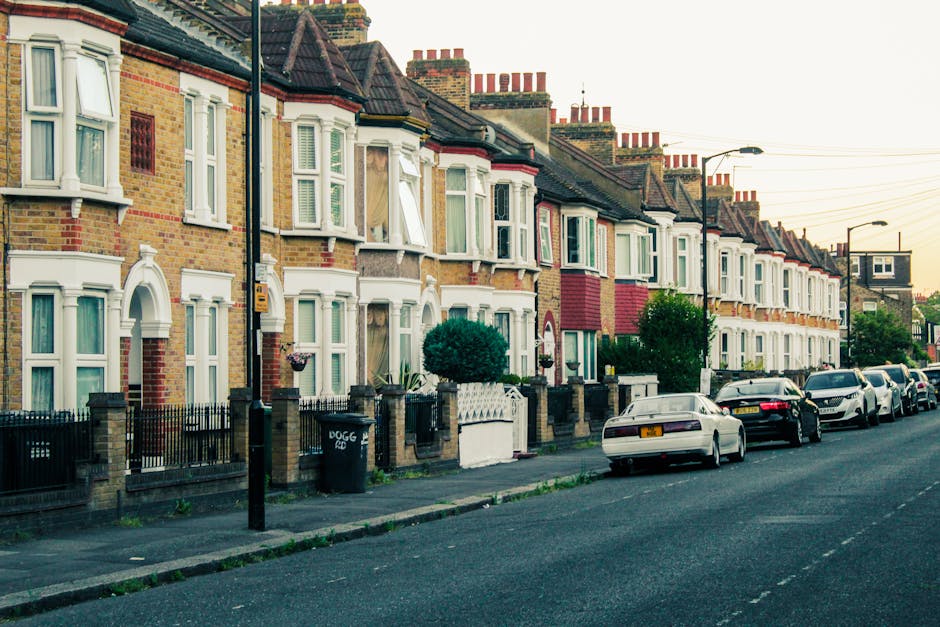
Swiss Cottage and Finchley Road sit in a busy, well-connected part of London, which is a blessing and a headache at the same time. The roads carry everyday traffic, buses, taxis, cyclists, and delivery vehicles, so a removal van has to fit into a live environment, not some neat suburban driveway. That matters because moving day is not just about getting boxes from A to B. It is about managing time, access, and safety while other people are simply trying to get on with their day.
In streets like these, the difference between a smooth move and a chaotic one is often preparation. If the van cannot wait outside, if a staircase is narrower than expected, or if the building has a shared entrance with poor loading space, the whole schedule can slip. That is where local knowledge helps. A good team will think about the route, the loading point, and the timing, not just the address.
If you are moving out of a flat, a mansion block, or a compact terraced property, you may also want to look at flat removal support in Swiss Cottage and broader removal services for local moves. Those pages can help when you need a service that fits a tighter urban setting rather than a standard house move. For some moves, especially if access is tight but the item list is modest, a man with a van in Swiss Cottage can be a more practical fit. Not glamorous, maybe, but very effective.
How Swiss Cottage to Finchley Road movers tips for tricky streets Works
A tricky-street move works best when the route and the property are treated as part of the same job. That means the moving team should think about the street layout, vehicle size, access points, and the sequence of loading before anyone lifts a sofa. Sounds obvious, but in practice people often skip straight to packing and only later discover the van has nowhere sensible to stop.
Here is the basic flow:
- Pre-visit or remote assessment: You share details about the property, access, stairs, lift, parking, and any bulky items.
- Vehicle matching: The team decides whether a larger removal van, a smaller van, or a mixed approach is best.
- Timing decision: The move is scheduled around traffic, school runs, building rules, and any loading restrictions.
- Access planning: Entry routes, door widths, stair turns, and lift availability are checked in advance.
- Packing and protection: Fragile items are wrapped, furniture is protected, and boxes are labelled for faster unloading.
- Move-day execution: Parking is secured or managed, items are moved in the right order, and the team keeps the flow steady.
The real trick is reducing friction. If your movers know the street is tight and the front door opens onto a narrow pavement, they can adapt before they arrive. If they know a piano or wardrobe needs extra care, they can bring the right handling equipment. For those heavier or awkward items, furniture removals in Swiss Cottage and even specialist piano removals may be the safer route.
Key Benefits and Practical Advantages
Done properly, a locally planned move gives you more than convenience. It protects time, reduces damage risk, and makes the whole day feel manageable instead of frantic. Not a small thing, really.
- Less waiting around: If the vehicle size and timing are right, the team is not circling the block trying to find a place to stop.
- Lower damage risk: Tight turns and narrow stairs are where door frames, banisters, and furniture edges tend to suffer.
- Better coordination with neighbours: In busy blocks, being organised keeps the hallway clear and the atmosphere civil.
- More accurate pricing: A move that is assessed honestly is less likely to trigger last-minute complications.
- Less physical strain: Short, planned carrying distances are much easier on everyone.
- Better protection for fragile items: When movers know the access is difficult, they can plan the sequence and wrapping properly.
There is also a psychological benefit. It sounds soft, but it matters. If the move is structured well, you are not mentally juggling parking, stairs, packaging tape, and missing keys all at once. You can actually breathe for a second. Some people also like to pair the move with packing and boxes support so that the physical load is handled in a more orderly way from the start.
Who This Is For and When It Makes Sense
This kind of planning is especially useful if you are moving from or to:
- a top-floor flat with no lift;
- a period property with a narrow staircase;
- a building on a busy road where stopping is limited;
- a home with oversized furniture or delicate items;
- a student flat, shared house, or short-let property with awkward access;
- an office that needs out-of-hours coordination;
- a same-day or short-notice move where timing is already tight.
It is also a good fit if you are trying to keep costs under control. A well-matched vehicle and a clear access plan can save you from paying for extra delays. If you are comparing service levels, local movers in Swiss Cottage, removal companies in Swiss Cottage, and a more flexible man and van service can each suit different situations. It depends on volume, access, and how much you want handled professionally.
If you are a student moving with a small number of boxes and a desk lamp that somehow becomes strangely precious on moving day, then student removals in Swiss Cottage may be more sensible than booking a full-scale team. On the other hand, a family move with beds, wardrobes, and kitchen gear usually needs a fuller setup such as home removals.
Step-by-Step Guidance
If you want a move that feels controlled rather than improvised, follow this sequence. It is simple, but there is discipline in simplicity.
1. Survey the access before you pack
Walk the route from the front door to the van location. Check where corners tighten, where steps are uneven, and whether there is enough room for trolleys or carrying teams. If the building has a communal entrance, note any code locks, concierge arrangements, or loading rules. A quick look now can save an awkward lift later.
2. Measure the awkward items
Measure anything that might cause grief: sofas, mattresses, headboards, wardrobes, mirrors, and dining tables. If the item is just a bit too wide for a stair bend, knowing that early gives the movers time to plan an alternative route or dismantle it safely.
3. Decide the vehicle size carefully
Too small and you risk multiple trips. Too large and you may struggle to park or manoeuvre. That balance matters in tight London streets. A smaller van can sometimes be the smarter choice even if it looks less impressive. Practical beats impressive, every time.
4. Sort parking and loading access
Do not leave parking to chance. Whether you use temporary arrangements, building permissions, or a pre-agreed stopping point, make sure the driver knows exactly where they can pause. If the street is heavily used, that detail becomes one of the biggest pressure points of the day.
5. Pack by carry order, not just by room
It helps to group boxes by how they will leave the building. Heavy boxes first, fragile items separately, then the awkward shapes last. Label clearly. A box marked "kitchen" is useful, but "kitchen - fragile glass" is better. You do not want to discover the blender jar the hard way.
6. Prepare the building and the neighbours
Let people know there will be movers in and out. In a shared block, that courtesy prevents complaints and keeps hallways free. If there is a lift, book it if required. If there is a service entrance, test it beforehand. A little human consideration goes a long way.
7. Keep essentials with you
Keep keys, documents, medication, chargers, a kettle, and a change of clothes nearby. Moving day has a strange talent for hiding the one thing you need most. Having your essentials separate stops the classic "where on earth is the phone cable?" moment at 9 p.m.
Expert Tips for Better Results
Here are the practical details that tend to separate a smooth move from a slightly cursed one.
- Book earlier than you think you need to: Good moving slots go quickly, especially at month-end and around weekends.
- Plan for one-way carrying distance: Even thirty extra metres from van to door can change the whole tempo of the job.
- Use proper padding: Door frames, table corners, mirrors, and TV screens all benefit from extra protection.
- Keep boxes at sensible weights: Too heavy and they become unstable on stairs; too light and the move wastes time. Aim for balance.
- Separate fragile items from general loads: This helps the team place them in safer sections of the van.
- Ask about insurance and handling: A professional team should be clear about care, packing practice, and what is covered. If in doubt, check insurance and safety information before the day arrives.
- Use the quietest time window available: Early starts can help, though not every street or building allows it.
One small but powerful tip: keep a marker pen in your coat pocket. It sounds laughably simple, but it saves time when a box needs re-labelling in the corridor. Little things. Always the little things.
If your move includes flexible payment or admin concerns, it is sensible to review payment and security guidance so you know what to expect before anything is booked. Clarity is underrated.

Common Mistakes to Avoid
People usually do not get moves wrong because they are careless. They get them wrong because they assume the street will be easier than it is. That assumption costs time.
- Underestimating the access: A route that looks short can still be difficult if the pavement is narrow or the doorway is awkward.
- Choosing the wrong vehicle: Big van, small van, extra trips - all of that needs to match the street and the load.
- Packing too late: Late packing leads to poor labelling, damage, and a very frazzled morning.
- Ignoring the building rules: Lifts, loading bays, and shared entrances often have practical limits.
- Forgetting bulky items: The wardrobe you forgot to mention is always the one that becomes the problem.
- Leaving parking to chance: On a road as busy as Finchley Road, winging it is not a plan.
- Not telling the movers about the stairs: If there are tight turns or multiple flights, say so clearly.
To be fair, even experienced movers can only work with the information they are given. If they do not know about the narrow side alley or the broken lift, they cannot prepare for it. That is why a good pre-move conversation matters.
Tools, Resources and Recommendations
You do not need a huge kit to move well, but a few tools help enormously.
- Sturdy boxes: Use consistent sizes where possible so stacking is safer.
- Packing paper or wrapping: Keeps crockery, glass, and ornaments cushioned.
- Labels and a marker: Speed up unloading and room placement.
- Furniture covers and blankets: Useful on narrow routes where scuffs are more likely.
- Ratchet straps or tie-downs: Helpful in the van for keeping items stable.
- Basic toolkit: Allen keys, screwdrivers, tape, and spare batteries can rescue the day when a bed needs dismantling.
- Folder for documents: Tenancy papers, building permissions, and move notes are easier to find in one place.
For bigger or more specific moves, it can help to look through services overview and removals in Swiss Cottage to see which type of support matches your situation. If your move is time-sensitive, same-day removals may also be worth considering, though only when the access and load are realistic.
And if sustainability matters to you, there is value in checking the company's approach to recycling and sustainability. Re-using packing materials, reducing waste, and disposing of unwanted items responsibly may not be glamorous, but it is good practice. Very good practice, actually.
Law, Compliance, Standards and Best Practice
For a move in London, the legal and compliance side is mostly about safe conduct, building access, and reasonable care. You do not need to become a legal expert, but you should know the broad expectations.
Movers should handle goods responsibly, protect the property they are working in, and operate in line with their own health and safety procedures. That includes sensible manual handling, suitable vehicle loading, and attention to risks such as cramped stairwells, wet pavements, or awkward load-bearing furniture. In practice, the best companies keep things plain and professional rather than dramatic.
If you are hiring help, it is reasonable to ask how they manage safety, what happens if access is restricted, and how they handle fragile or high-value items. A trustworthy provider should be able to explain things in everyday language. No nonsense, no waffle. If policies matter to you, reading pages such as health and safety policy, terms and conditions, and privacy policy can help you understand how the service is run.
There is also a courtesy standard, if you like. Good moves in built-up streets respect neighbours, keep noise down where possible, avoid blocking access for longer than necessary, and leave communal areas tidy. That is not just polite. It keeps everyone happier and reduces the chance of a complaint later.
Options, Methods, and Comparison Table
Different moves need different approaches. Here is a simple comparison to help you choose the right one.
| Method | Best for | Strengths | Watch-outs |
|---|---|---|---|
| Full removal service | Homes with lots of furniture, multiple rooms, or awkward access | More hands, stronger coordination, better for complex jobs | Usually costs more than a smaller setup |
| Man and van | Small to medium loads, student moves, short local trips | Flexible, efficient, often easier to position on tight streets | Not ideal for very large or heavy moves alone |
| Specialist item handling | Pianos, antiques, oversized furniture, delicate equipment | Safer handling and better protection | Needs clearer planning and may take longer |
| Same-day move | Urgent situations or last-minute access changes | Fast response and practical rescue option | Less room for detailed planning if you leave it too late |
If you are unsure which route to take, a quick discussion with a local team is usually enough to narrow it down. A move from Swiss Cottage to Finchley Road can look straightforward, but the best method depends on the actual building and street conditions, not the postcode alone. Quite a lot hinges on that.
Case Study or Real-World Example
Here is a realistic example. A couple moved from a second-floor flat near Swiss Cottage into a smaller apartment closer to Finchley Road. On paper, the distance was tiny. In reality, the departure street had limited waiting space, the lift was too small for larger furniture, and the destination had a narrow entrance with a step down from the pavement.
Instead of sending a large van and hoping for the best, the team split the work into a planned loading sequence. Sofas were wrapped first, boxes were grouped by weight, and the items most likely to snag on the stairwell were carried separately. The van parked only once, the hallway remained clear, and the move stayed on schedule.
The small win here was not speed alone. It was avoiding drama. Nobody had to carry a wardrobe back down because the first route did not work. Nobody was phoning around for a different parking setup halfway through. It was just a steady, sensible job. That is what you want.
For households with awkward larger pieces, a service tailored to furniture removals can be a much better fit than a generic approach. And if the move includes treasured instruments, the added care of piano removals is worth every bit of planning.
Practical Checklist
Use this before moving day. A few minutes here can save a whole morning later.
- Confirm both addresses and entry instructions.
- Check stairwells, lifts, and any narrow turns.
- Measure the largest furniture pieces.
- Decide whether you need a van, a full removals team, or both.
- Arrange parking or a loading point in advance where possible.
- Label boxes by room and fragility.
- Wrap fragile items properly.
- Keep essentials separate and easy to reach.
- Notify neighbours or building management if needed.
- Review insurance, payment, and terms before booking.
- Prepare a backup plan if access turns out tighter than expected.
- Pack cleaning basics for the old and new property.
Quick reminder: the more awkward the street, the more important the prep. Simple as that.
Get a free quote today and see how much you can save.
Conclusion
Swiss Cottage to Finchley Road movers tips for tricky streets come down to one idea: do not treat access as an afterthought. In a busy part of London, the street itself is part of the move. If you plan for parking, stairwells, loading space, and the size of your furniture, you remove most of the stress before the van even arrives.
Whether you need a full home move, a smaller van-based job, or help with one awkward item, the right approach is the one that fits the street as well as the property. Keep the plan simple, keep the communication clear, and keep a bit of patience in your back pocket. That usually does the trick. And once the last box is in place, the kettle boils, and the door finally closes behind you, it all feels worth it.
