Avenue Road Swiss Cottage house removals guide for narrow access
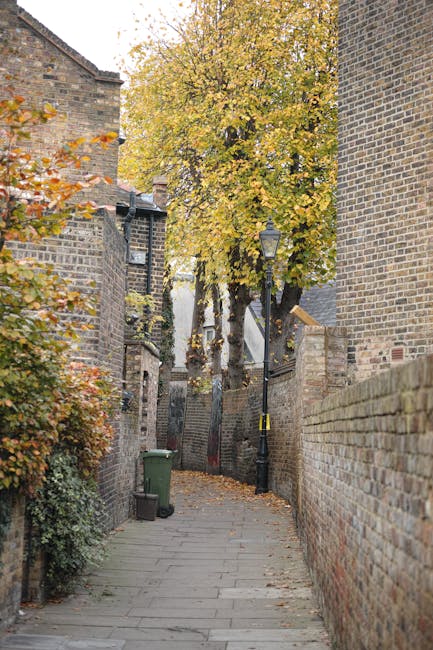
If you are moving on or near Avenue Road in Swiss Cottage, narrow access can turn a normal house move into something much more fiddly than expected. A van that looks fine on paper may struggle with tight turns, parked cars, low branches, shared driveways, basement steps, or a front path that seems to shrink the moment a sofa appears. This Avenue Road Swiss Cottage house removals guide for narrow access is here to make the whole thing feel manageable. You will find practical planning advice, a clear step-by-step approach, and the kind of real-world detail that saves time, stress, and a few bruised knuckles.
Truth be told, most problems with difficult access are avoidable if they are spotted early. The key is to think like a mover before moving day: measure properly, choose the right vehicle, protect the property, and leave enough slack in the schedule for London-life surprises. That is where a well-organised home move and the right removal support really pay off. If you want to understand the wider moving picture too, it may help to look at home moves and house removals alongside the access plan.
Table of Contents
- Why narrow access matters on Avenue Road
- How the moving process works
- Key benefits and practical advantages
- Who this guide is for
- Step-by-step guidance
- Expert tips for better results
- Common mistakes to avoid
- Tools, resources and recommendations
- Law, compliance, standards, and best practice
- Options, methods, or comparison table
- Case study or real-world example
- Practical checklist
- Conclusion
- Frequently asked questions
Why Avenue Road Swiss Cottage house removals guide for narrow access Matters
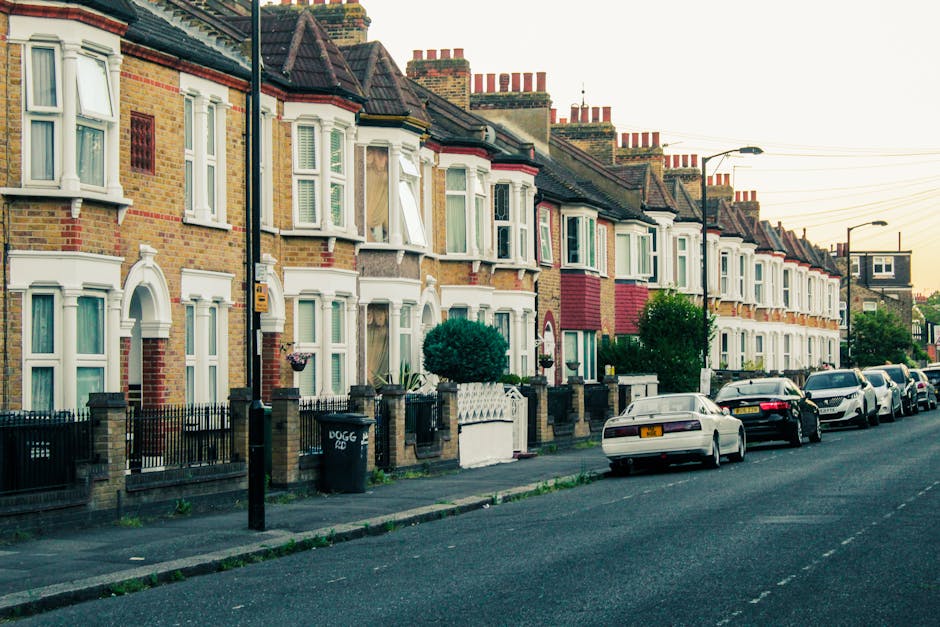
Avenue Road and the surrounding Swiss Cottage streets can present access headaches that do not show up in the usual "book a van and go" plan. Narrow roads, parked cars, busy local traffic, limited stopping space, basement entrances, and awkward front gardens all change the way a house move needs to be handled. If you ignore those details, even a well-packed move can stall at the front gate. And nobody wants to be standing on the pavement at 8:15 in the morning, staring at a wardrobe that will not quite fit through the hallway.
Narrow access matters for three big reasons. First, it affects vehicle choice. A larger moving truck might offer more capacity, but not every street or turning circle can comfortably take one. Second, it affects labour and timing. If items have to be carried further from the vehicle to the property, the move takes longer and the physical demand goes up. Third, it affects risk. Tight spaces increase the chance of scratches, wall scuffs, broken handles, and bad lifting decisions made in a rush.
In local moves, people often underestimate how much of the day is shaped by the approach to the property, not just the property itself. A flat with stairs and no lift, a terraced house with a narrow side passage, or a detached home with a sloping driveway can all require a slightly different moving method. That is why a local move assessment is so valuable before anything is loaded. If you are comparing providers, it also helps to understand the difference between a general removal company and a more flexible man with a van style service. One may be better suited than the other depending on access, volume, and how much carrying is involved.
Expert summary: narrow access is not just a minor inconvenience; it is a planning issue that affects vehicle size, labour, time, safety, and the final cost of the move.
How Avenue Road Swiss Cottage house removals guide for narrow access Works
A good narrow-access move starts before moving day. It usually begins with a survey or a detailed conversation about the property, the route to the door, the size of the biggest items, and where the vehicle can safely stop. Some moves are straightforward once the right van size is chosen. Others need a shuttle approach, where a larger vehicle is parked elsewhere and a smaller one handles the final access. Not glamorous, maybe, but very effective.
The basic process is simple:
- Assess access - Measure gates, hallways, stairwells, head height, kerbs, and any tight turns.
- Match the vehicle to the street - Decide whether a compact removal van, a medium van, or a larger truck is realistic.
- Plan the carry route - Identify the shortest safe path from vehicle to property, including any stairs or shared entrances.
- Prepare the items - Disassemble bulky furniture, wrap fragile pieces, and label boxes by room.
- Protect the property - Use covers, corner protection, and floor runners where needed.
- Load strategically - Put awkward items in a sequence that makes unloading sensible at the destination.
- Allow for flexibility - Parkers, neighbours, and delivery lorries do not always behave on schedule, do they?
For narrow access, the best result often comes from pairing careful packing with the right moving team. Services like packing and unpacking services can be especially helpful because well-packed loads are easier to carry through tight spaces and easier to stack safely in a van. If the move is smaller or you only need part-load support, a man and van removals option may be enough. For larger family homes, a fuller house movers service may be the better fit.
The whole thing works best when everybody knows the constraints early. That means the crew, the customer, and anyone who needs to reserve parking or clear access before the van arrives. Small detail, big difference.
Key Benefits and Practical Advantages
When narrow access is planned properly, the move becomes calmer and more predictable. It is not just about avoiding problems; it is about making the job genuinely easier for everyone involved.
- Less risk of damage - Tight spaces are where walls, railings, doors, and furniture corners are most likely to meet in a bad mood.
- Faster loading and unloading - A clearly planned route saves repeated backtracking and awkward repositioning.
- Better vehicle choice - You avoid paying for a vehicle that cannot practically reach the property.
- Safer lifting - If the team knows there is a long carry or a steep staircase, they can plan for team lifts and rest points.
- Less moving-day stress - You spend less time improvising and more time getting the move done.
- Better budget control - Good access planning reduces the chance of delays that stretch the job out.
There is also a surprisingly important emotional benefit: it gives you confidence. Once you know the team has measured the route, thought about the parking, and chosen the right approach, the move stops feeling like a gamble. You can actually breathe. That alone is worth something on moving day.
If you are weighing up broader support, removal services can cover more of the planning and transport side, while moving van options can work well where access is tight but the job is not enormous. For many London moves, flexibility matters more than raw capacity.
Who This Is For and When It Makes Sense
This guide is for anyone moving from a property where access is not straightforward. That might be a top-floor flat, a terraced house with a narrow front path, a home with limited roadside parking, or a property where the biggest challenge is simply getting furniture out without scraping the banister to bits.
It makes sense if you are:
- moving on a narrow residential street in or around Swiss Cottage
- dealing with a basement flat or raised entrance
- moving large items such as wardrobes, sofas, beds, pianos, or dining tables
- trying to avoid overspending on a vehicle that is too large for the road
- concerned about protecting the property and neighbouring walls
- trying to finish the move in one day rather than breaking it into stages
It also helps landlords, letting agents, and building managers who need to understand what sort of move is realistic. If a property has awkward access, it is better to plan around that than hope the problem will somehow sort itself out. It won't, not really.
Smaller or one-off moves can sometimes be handled through removals near me searches and local availability, but that is only the start. The important part is choosing a team that asks the right questions. If they do not ask about steps, parking, door widths, or the biggest item in the house, that is a bit of a red flag.
Step-by-Step Guidance
Here is the practical route we would suggest for a narrow-access house move on or near Avenue Road.
1. Survey the approach before you book
Walk from the road to the front door with a tape measure if you can. Check the width of the pavement gap, gate opening, hallway, stair turns, and the height of any overhangs. If a sofa has to turn sharply at the top of the stairs, note it. If a fridge has to pass a handrail by inches, note that too. Those details change the whole plan.
2. Identify the biggest and most awkward items
List anything bulky, heavy, fragile, or oddly shaped. A washing machine is awkward. A mirror can be awkward. A wardrobe with fixed shelving is awkward and a bit argumentative, frankly. Once the biggest items are known, the team can decide whether they should be dismantled, wrapped, or moved first.
3. Decide the best vehicle size
Not every move needs a large truck. In narrow-access streets, a compact removal van or smaller removals van may be more practical than a big vehicle that cannot park properly. On the other hand, if the move is substantial and there is room to load from a suitable position, a larger van may still make sense. The trick is matching the vehicle to the actual street, not the wishful version of it.
4. Plan where the vehicle will stop
Parking is often the hidden challenge. Decide whether the van can stop directly outside, whether a short carry is needed, or whether there is a safer alternative loading point nearby. If the route involves a narrow road shared with deliveries or school traffic, build extra time into the schedule. London mornings are rarely quiet for long.
5. Prepare the property
Protect floors, clear doorways, remove loose items, and secure pets. If the front path is tight, take away plant pots, bins, bikes, or anything else that becomes an obstacle in the final ten minutes of the move. People always forget the little things. Then the little things become the annoying things.
6. Pack for carrying, not just storage
Boxes should be sized so they can be carried safely through stairwells and narrow halls. Overpacked boxes are miserable in tight spaces. Keep fragile items clearly labelled, and place heavy items in smaller boxes rather than pretending a large box of books is a manageable choice. It is not.
7. Load in a sensible order
Heavy, solid, and less fragile items generally go in first. Awkward shapes are easier to place when the load plan is intentional. The team should keep essentials accessible, especially if the destination has another tight access point or a flight of stairs.
8. Check the destination in the same way
Narrow access can happen at both ends of the move. Do not assume the new property will be easier just because it looks nicer or newer. Measure the lift, the hall, the staircase, and the entrance. You may save yourself a nasty surprise later in the day.
9. Keep a small emergency kit handy
Useful items include tape, scissors, a marker pen, basic wipes, bottled water, and a phone charger. Not exciting, I know. But once you are halfway through a move, a tiny practical kit can feel like a miracle.
Expert Tips for Better Results
Here are the bits that often make the difference between a smooth move and a stressful one.
- Take measurements twice. Door widths and stair turns can be deceptive, especially if skirting boards or handrails eat up space.
- Use proper protection. Blankets, wraps, and floor covers prevent avoidable scuffs.
- Book earlier than you think. Tight-access moves need more coordination than standard jobs, particularly if parking or access timing is tricky.
- Disassemble furniture sooner. Do not leave that job until the final hour. Nobody enjoys wrenching a bed frame apart while the kettle is already packed.
- Coordinate with neighbours where needed. A quick heads-up can help if shared access or on-street loading is involved.
- Be honest about the largest item. That oversized sofa is not going to magically shrink on moving day.
One useful local habit is to think in terms of "carrying distance" rather than just "distance to the address." A move where the van stops outside the property is a different job from a move where the crew has to carry items across a forecourt, around parked cars, and up a front step. Same postcode, very different effort.
If you want more confidence about who is handling your move, the company's about us page can help you understand their working style, while their insurance and safety information should reassure you that the basics are being handled properly. That kind of detail matters on a tight-access job.
Common Mistakes to Avoid
Narrow-access removals tend to go wrong in predictable ways. The good news is that once you know them, they are easy enough to avoid.
- Booking the wrong vehicle size. Bigger is not always better if the street cannot take it.
- Ignoring the final few metres. The road to the door matters just as much as the long drive to the new place.
- Not measuring tall items. Wardrobes, mattresses, and headboards can catch on turns and overhangs.
- Leaving packing too late. Sloppy packing slows everything down in narrow spaces.
- Forgetting about parking restrictions. Even a short delay can create a chain reaction.
- Underestimating stairs. A single narrow staircase can change labour needs and move timing quite a bit.
Another common mistake is assuming the move will be easy because the property itself is small. Small does not always mean simple. In some ways, tiny properties are harder because every turn is tighter and every item has to be handled more carefully. Slightly annoying, but very true.
And one more thing: do not ask movers to "just make it fit" if the measurement says otherwise. Good crews are practical, not magical.
Tools, Resources and Recommendations
You do not need a van full of specialist kit to handle a narrow-access move, but the right tools make a noticeable difference. At a minimum, a professional crew should have furniture blankets, straps, dollies or hand trucks suited to the route, door protection, and floor covers where needed. On more awkward jobs, ramps and additional lifting aids can help reduce strain and make movement smoother.
For the planning side, simple tools are often enough:
- a tape measure
- a notepad or phone notes app
- a rough floorplan of the old and new property
- photos of the entrance, stairs, and turning points
- a list of items that must be dismantled
Useful services to consider include house removals for complete moving support, movers if you need a team to handle the physical work, and removal truck hire where you are planning a move that really does need a larger vehicle. If the job is lighter but access is still awkward, a man with van removal approach may be the more sensible route.
It can also help to choose a provider who is clear about pricing and quotes. Narrow access often changes the time required, and clear pricing helps you understand whether the quote reflects the reality of the job. Not every move is priced the same, and that is fair enough when access differs.
Law, Compliance, Standards, or Best Practice
For a home move with narrow access, the main concerns are safety, property protection, parking, and responsible loading. While every move is different, UK moving best practice normally means using safe lifting methods, keeping access routes free from avoidable hazards, and respecting any local parking or stopping restrictions. If a road or entrance is particularly tight, careful planning matters more than trying to force a one-size-fits-all method.
From a customer point of view, it is sensible to confirm that the removal provider has appropriate insurance and follows clear health and safety procedures. That does not mean you need to become an expert in paperwork, thankfully. It simply means checking that the company thinks seriously about risk, damage prevention, and safe working practices. Their health and safety policy and terms and conditions can give you a better feel for how they operate.
There is also an environmental side to consider. Reusing packing materials where possible, disposing of unwanted items responsibly, and avoiding unnecessary journeys all help keep the move more efficient. If sustainability matters to you, have a look at recycling and sustainability. It is not just a box-ticking exercise; it can shape how surplus items and materials are handled after the move.
Options, Methods, or Comparison Table
Different access problems call for different moving methods. Here is a practical comparison to help you think it through.
| Method | Best for | Strengths | Limitations |
|---|---|---|---|
| Compact removal van | Narrow streets, small to medium moves | Easier parking, better street access, flexible unloading | Less capacity than larger vehicles |
| Medium van with team | Homes with awkward entrances but manageable volume | Good balance of capacity and access | May still need careful route planning |
| Larger moving truck | Moves with more volume and wider access nearby | More space, fewer trips | Can be difficult to park or manoeuvre on tight roads |
| Shuttle or split-load approach | Very tight access or restricted roads | Protects the property and avoids forcing a large vehicle into a bad space | May take longer and require more coordination |
For some customers, the best answer is a simple removals service with a smaller vehicle. For others, especially where there is furniture to collect or a few awkward items to move separately, furniture pick up can be useful as part of a wider moving plan. There is no prize for making it harder than it needs to be.
Case Study or Real-World Example
Imagine a family moving from a house near Avenue Road into a property with a narrow front approach and a tight hallway. The biggest issue is not the number of boxes. It is the sofa, the double wardrobe, and the washing machine. The street is busy enough that a full-size truck would be awkward to park, and a front step means everything needs carrying carefully.
In that situation, the move works best if the team visits or receives clear photographs beforehand, measures the largest furniture against the entrance, and chooses a van that can stop without blocking the road. The wardrobe is dismantled the day before. The sofa is wrapped and moved first, while the washing machine is disconnected with enough time to dry the hoses properly. The crew keeps the hallway clear, uses protection on the stair edges, and loads the vehicle in a sequence that matches the new home's layout.
The result is not dramatic. That is the point. No frantic reshuffling, no last-minute "oh no, it won't turn," and no damaged paintwork on the way out. Just a move that feels a bit organised, which in a narrow-access London street is genuinely a win. Not glamorous, but very satisfying.
Practical Checklist
Use this checklist in the final few days before your move.
- Measure the front entrance, hallway, stair turns, and any gates or side paths
- Measure the largest furniture items
- Take photos of the access route for reference
- Confirm the best place for the van to stop
- Check parking restrictions and access timing
- Disassemble bulky furniture where needed
- Wrap fragile items and corners properly
- Clear bins, bikes, plant pots, and loose clutter from the route
- Prepare labels for boxes and key rooms
- Keep essentials packed separately for easy access
- Confirm insurance and safety details with the mover
- Allow extra time for tight-access loading and unloading
If you are still comparing options, it can be useful to review removal company information alongside the more practical service pages. You want a provider that feels organised, not just available. There is a difference, and you can usually tell quite quickly.
Conclusion
Narrow access on Avenue Road or anywhere nearby does not have to make your move stressful. It just means the plan needs a little more care, a better vehicle match, and more attention to the route from door to van. Once you understand the access points, the job becomes much more predictable.
The simplest way to think about it is this: measure early, choose wisely, pack well, and do not leave the access details to chance. That approach protects your belongings, reduces delays, and makes the day much calmer for everyone involved. If you are moving locally, the extra effort is worth it. Really worth it.
Get a free quote today and see how much you can save.
And if the day feels a bit daunting, fair enough. Most moving days do. But with the right plan, even a narrow street can feel manageable by lunchtime.
Frequently Asked Questions
How do I know if my Avenue Road property has narrow access?
If a van cannot stop close to the front door, if the entrance is tight, or if there are difficult turns, steps, or low overhangs, you likely have narrow access. Photos and measurements help confirm it quickly.
What size van is best for narrow-access house removals?
There is no single answer. A compact or medium removal van is often better than a larger truck where parking and turning space are limited. The best vehicle is the one that can actually reach the property safely.
Should I measure furniture before booking a removal company?
Yes. Measure the biggest items first, especially wardrobes, sofas, beds, and appliances. Those measurements help the mover decide whether furniture needs dismantling or special handling.
Can movers handle basement flats or top-floor flats with stairs?
Yes, provided the access is discussed in advance. Stairs, narrow landings, and no-lift buildings are common in London, but they do affect time, labour, and the best moving method.
Is a man and van service suitable for narrow streets?
Often, yes. A smaller vehicle can be more practical on tight streets, especially for smaller moves or partial loads. It depends on how much you are moving and how far items must be carried.
How far in advance should I book for a narrow-access move?
As early as you can. Tight-access jobs benefit from better planning, and early booking gives you more choice over vehicle size, time slot, and support options.
Will narrow access make my move more expensive?
It can, because the job may take longer or need more labour. That said, choosing the right method early can prevent bigger costs caused by delays or avoidable damage.
What should I tell the removal company before moving day?
Tell them about staircases, parking restrictions, the biggest furniture items, gates, basement access, and any tight turns or low ceilings. The more accurate the picture, the better the plan.
Do I need packing and unpacking help for a tight access move?
Not always, but it can be very useful. Well-packed boxes are safer to carry, easier to stack, and less likely to get damaged in a narrow hallway or on stairs.
What happens if the van cannot park outside my house?
The crew may need to use a short carry, a nearby loading point, or a smaller vehicle. In some cases, a shuttle approach is the safest answer. It is not ideal, but it is workable.
How can I protect walls and floors during a narrow-access move?
Use floor coverings, corner protection, and furniture wraps. Clear the path beforehand and keep the route as open as possible. A few minutes of preparation saves a lot of repair work later.
Where can I check service details, safety, and pricing?
You can review service information, policies, and quote details through the relevant pages, including pricing and quotes, insurance and safety, and the company's contact us page if you need to ask specific questions before booking.